
I thought cheese was the one food with no secrets. It sits in the fridge, it goes on burgers, end of story. Then I fell down the rabbit hole, and it turns out cheese has a rap sheet, a dye job, a legal history, and a secret underground stockpile. Criminals target it, governments hoard it, and the color you associate with cheddar is basically a 400-year-old marketing trick. Here are five true things about cheese that genuinely surprised me.
Did you know cheese is the most stolen food on Earth?
Not electronics-aisle razor blades, not liquor, not steak. Cheese. Retail crime researchers have found that an estimated 4 percent of the world’s cheese ends up stolen, making it the most shoplifted food on the planet. And it’s not just sad guys slipping a brick of mozzarella into a coat pocket. Cheese has a genuine black market, because it’s valuable, easy to move, and impossible to trace once it’s grated over someone’s pasta. In 2016, thieves in Wisconsin made off with two trailer loads of cheddar and parmesan worth around $160,000 in a matter of days. Police recovered most of it, but the lesson stands: somewhere out there, organized crime has a cheese division.
Did you know cheddar cheese isn’t naturally orange?
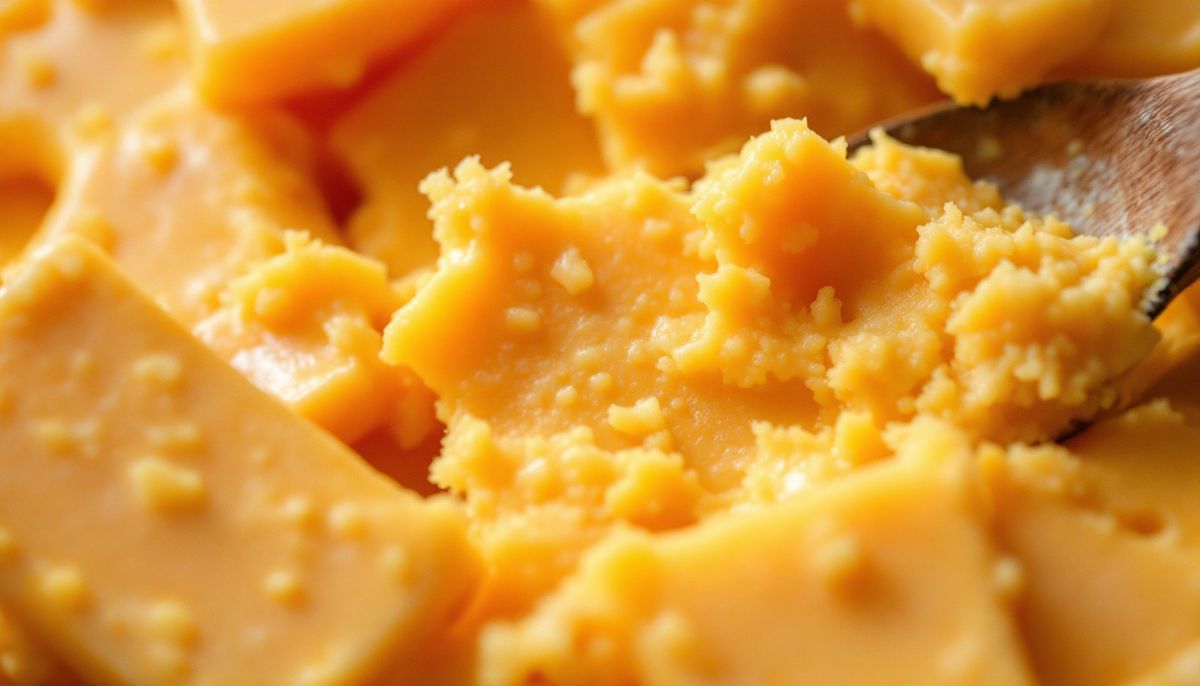
That pumpkin-orange block in your fridge is wearing makeup. Cheddar is naturally an off-white to pale yellow color, and the orange comes from annatto, a dye made from the seeds of a tropical tree. The trick goes back centuries to English cheesemakers, whose best summer cheese had a golden tint from the carotene in rich, grassy cream. When makers started skimming that cream off to sell as butter, their cheese went pale, so they dyed it to look like the premium stuff. The fake tan became the expectation, generations of customers grew up on it, and now huge swaths of America flatly refuse to buy white cheddar because it “looks wrong.” The dye adds zero flavor. You’ve been loyal to a paint job your whole life.
Did you know Wisconsin once made it illegal for restaurants to serve a meal without cheese?
During the Great Depression, Wisconsin passed a 1935 law requiring restaurants to serve a small portion of cheese and butter with every meal. This was not a food-safety measure or a nutrition initiative. It was pure dairy-state economics: farmers were drowning in surplus, so lawmakers decided every diner in the state would help eat the problem, whether they ordered it or not. Sit down for a bowl of soup, get a legally mandated side of cheese. The law lasted about two years before being repealed, but it remains one of the most on-brand statutes any state has ever passed. Wisconsin didn’t ask its citizens to support the dairy industry. It ordered them to.
Did you know the most expensive cheese in the world is made from donkey milk?
It’s called pule, it’s made at a nature reserve in Serbia, and it sells for around $600 a pound, which makes it worth more per ounce than silver. The price isn’t snobbery, it’s arithmetic. The cheese comes from a herd of Balkan donkeys that are milked by hand multiple times a day, and a donkey produces only a tiny fraction of the milk a dairy cow does. It takes roughly 25 liters of donkey milk to make a single kilogram of pule, so the world’s supply is measured in batches, not tons. Reviewers describe the taste as rich and intense. At that price, it had better be. For the same money you could buy about 200 pounds of perfectly innocent cheddar, dye job included.
Did you know the U.S. government keeps its massive cheese surplus in underground cold storage caves?
Here’s the twist ending: America has a strategic cheese reserve, and much of it lives underground. In the early 1980s, the government propped up dairy farmers by buying their surplus, and got buried in processed cheese, some of which was handed out as the famous “government cheese.” Storage moved into converted limestone mines in Missouri, where the temperature stays naturally cool year-round. And the surplus never really went away: in 2019, America’s stockpile of excess cheese hit about 1.4 billion pounds, the largest on record, with warehouses and cave facilities holding the overflow. That’s roughly four pounds of backup cheese for every man, woman, and child in the country, aging quietly beneath the Midwest. Fort Knox holds the gold. Missouri holds the cheddar.
Send this to the biggest cheese lover you know… they’ll never look at an orange block of cheddar the same way again.
