
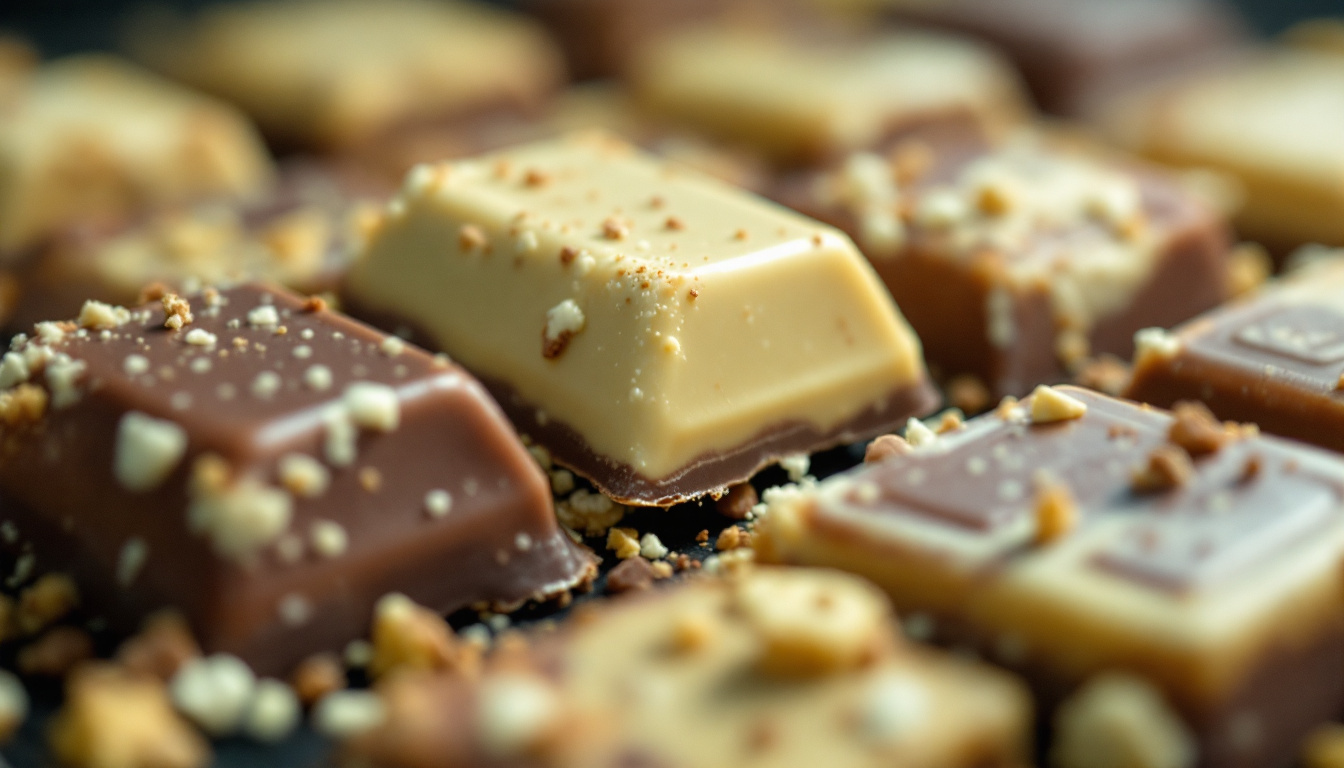
I have eaten roughly a metric ton of chocolate in my life and never once wondered where it came from or what it actually is. Big mistake. It turns out the stuff in your candy bar spent most of its history as a bitter drink, was once literally used as money, and has a few secrets that completely rearranged my brain. Here are five facts that will change how you look at a chocolate bar.
Did you know cacao beans were once used as actual money?
The Aztecs and Maya didn’t just drink chocolate — they spent it. Cacao beans were a legit currency, and we have the price lists to prove it. One historical record put a single ripe avocado at three cacao beans, a turkey egg at three beans, and a whole turkey hen at a hefty 100 beans. People took this so seriously that counterfeiters would carefully hollow out beans and refill the shells with dirt to pass off fakes. Think about that: there was a point in human history where you could walk into a market, hand someone a fistful of chocolate, and walk out with dinner. I would have been broke constantly.
Did you know chocolate was a drink for about 90% of its history?
We think of chocolate as something you bite, but for roughly the first 90% of its existence, chocolate was something you sipped — and it wasn’t sweet. Cacao goes back at least 3,000-plus years in Mesoamerica, where it was ground into a bitter, frothy, often spicy beverage flavored with chili and other spices, not sugar. The solid chocolate bar we all know didn’t show up until 1847, when a British company figured out how to mix cocoa, sugar, and cocoa butter into a moldable paste. So out of thousands of years of human chocolate consumption, the chewable kind has only existed for the last blink of an eye. We are living in the weird new era of chocolate, and we don’t even appreciate it.
Did you know it takes around 400 cacao beans to make a single pound of chocolate?
Chocolate is shockingly labor-intensive, and the numbers behind one bar are kind of staggering. A single cacao tree produces only a modest harvest, and it takes roughly 400 beans to make one pound of chocolate. Those beans don’t grow loose, either — they come packed inside large pods that have to be cut down by hand, split open, and scooped out, because cacao pods don’t all ripen at once and the trees are too delicate for machine harvesting. So every bar you’ve ever inhaled in thirty seconds represents hundreds of beans, a pile of pods, and a whole lot of human hands. I will never again be casual about a chocolate bar. (I will, but I’ll feel briefly guilty about it.)
Did you know white chocolate isn’t technically chocolate at all?
This one genuinely rattled me. White chocolate contains zero cocoa solids — the actual brown stuff that makes chocolate taste like chocolate. It’s made from cocoa butter (the fat pressed out of the bean), plus sugar and milk. Because it’s missing the cocoa solids entirely, purists and even some food regulators have long argued it doesn’t qualify as “real” chocolate; in the U.S. it needed its own special standard before it could even legally use the word. So when someone hands you a white chocolate bar, they are technically handing you sweetened bean fat. Delicious sweetened bean fat, to be fair. But I have been calling it chocolate my whole life and apparently owe several people an apology.
Did you know that gray-white film on old chocolate is harmless — and there are two kinds?
You’ve pulled a forgotten bar out of the pantry, seen it covered in a dull gray-white film, and thrown it out assuming it went bad. Good news and a small tragedy: that film is called “bloom,” and it’s completely safe to eat. There are actually two types. “Fat bloom” happens when the chocolate gets warm, the cocoa butter melts and migrates to the surface, then recrystallizes as a pale coating. “Sugar bloom” happens when moisture hits the surface, dissolves the sugar, and leaves crystals behind as it evaporates. Neither one means the chocolate is spoiled — it just looks a little sad and the texture goes slightly grainy. So all those bars I solemnly tossed over the years? Perfectly edible. I want them back.
Send this to whoever in your life refuses to eat “bloomed” chocolate — it’s fine, and now you can prove it.
