
July 2nd
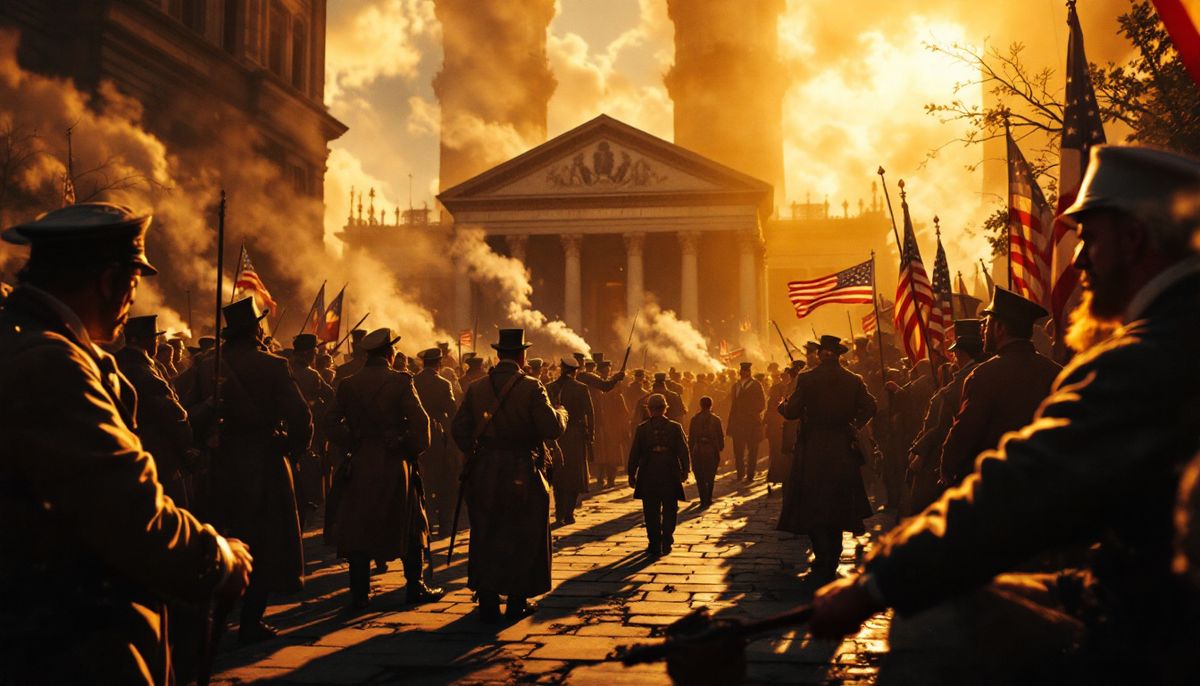
If John Adams had gotten his way, you would be lighting fireworks today instead of two days from now. On July 2, 1776, in the sweltering heat of the Pennsylvania State House in Philadelphia, the Second Continental Congress did the boldest thing thirteen jittery colonies had ever attempted: they voted to break away from the most powerful empire on Earth. Twelve delegations said yes. New York, still waiting on instructions from home, nervously abstained. And just like that, on a humid Tuesday afternoon, the United States of America declared itself free.
The man who felt the weight of that moment most keenly was John Adams of Massachusetts. He had argued, pushed, and cajoled his fellow delegates for months, certain that history was turning on its hinge. The very next day, still glowing with the thrill of it, he sat down and wrote to his beloved wife, Abigail, with a prophecy: “The Second Day of July 1776, will be the most memorable Epocha, in the History of America.” He imagined it celebrated by future generations “with Pomp and Parade, with Shews, Games, Sports, Guns, Bells, Bonfires and Illuminations from one End of this Continent to the other.”
He was right about everything except the date.
While the vote for independence happened on July 2, it took the Congress two more days to finish editing and formally adopt Thomas Jefferson’s elegant Declaration of Independence — the document that explained to the world why they were doing this. That adoption came on July 4, and because the date was printed boldly across the top of the Declaration, it was July 4 that lodged itself in the American memory. The press, and then the nation, latched onto the document’s date rather than the day of the actual decision.
So poor John Adams watched the wrong date become the national birthday. He never quite made peace with it. But there is a strange and beautiful footnote: exactly fifty years later, on July 4, 1826, Adams died — on the very anniversary he resented, hours after his old rival and friend Thomas Jefferson passed away the same day. The two architects of American liberty left the world together, on the holiday Adams insisted was wrong. History, it turns out, has a sense of humor.
Also On This Day…
1964 — A President Signs Away the Old America On the evening of July 2, 1964, President Lyndon B. Johnson sat before television cameras in the East Room of the White House and signed the Civil Rights Act of 1964 — the most sweeping civil rights law since the days of Reconstruction. It outlawed segregation in restaurants, hotels, theaters, and schools, and banned discrimination in hiring on the basis of race, color, religion, sex, or national origin. The bill had survived a brutal 72-day Senate filibuster before it reached his desk. Johnson signed it with an astonishing 75 pens, handing them out one by one to the lawmakers and leaders — including Dr. Martin Luther King Jr. — who had fought to make that moment possible.
1937 — The Sky Swallows Amelia Earhart On July 2, 1937, the world’s most famous aviator vanished. Amelia Earhart and her navigator, Fred Noonan, took off from Lae, New Guinea, on one of the final legs of her daring attempt to fly around the globe. Their target was Howland Island, a speck of sand barely two miles long in the vast emptiness of the Pacific. As they neared it, a Coast Guard ship picked up Earhart’s increasingly anxious radio calls — she was running low on fuel and could not find the island. Then, silence. A 16-day search involving thousands of men, dozens of ships, and scores of aircraft turned up nothing. Neither Earhart nor her plane was ever found, and the mystery still haunts us nearly a century later.
1962 — A Small-Town Store Quietly Changes America On July 2, 1962, a former five-and-dime operator named Sam Walton opened the doors of his first Walmart Discount City in the small town of Rogers, Arkansas. There were no balloons from corporate headquarters, no grand fanfare — just 16,000 square feet of merchandise and a stubborn idea that ordinary folks deserved low prices every single day. More than 500 shoppers lined up before opening. From that single humble store in the Ozarks would grow the largest retailer the world has ever seen — an empire that reshaped how, and where, America shops.
From thirteen colonies daring to declare themselves free, to a president rewriting the nation’s conscience, to a vanished pilot and a small-town shopkeeper — July 2nd proves that the days we overlook are often the ones that changed everything. Maybe John Adams was right all along.
