
July 8th
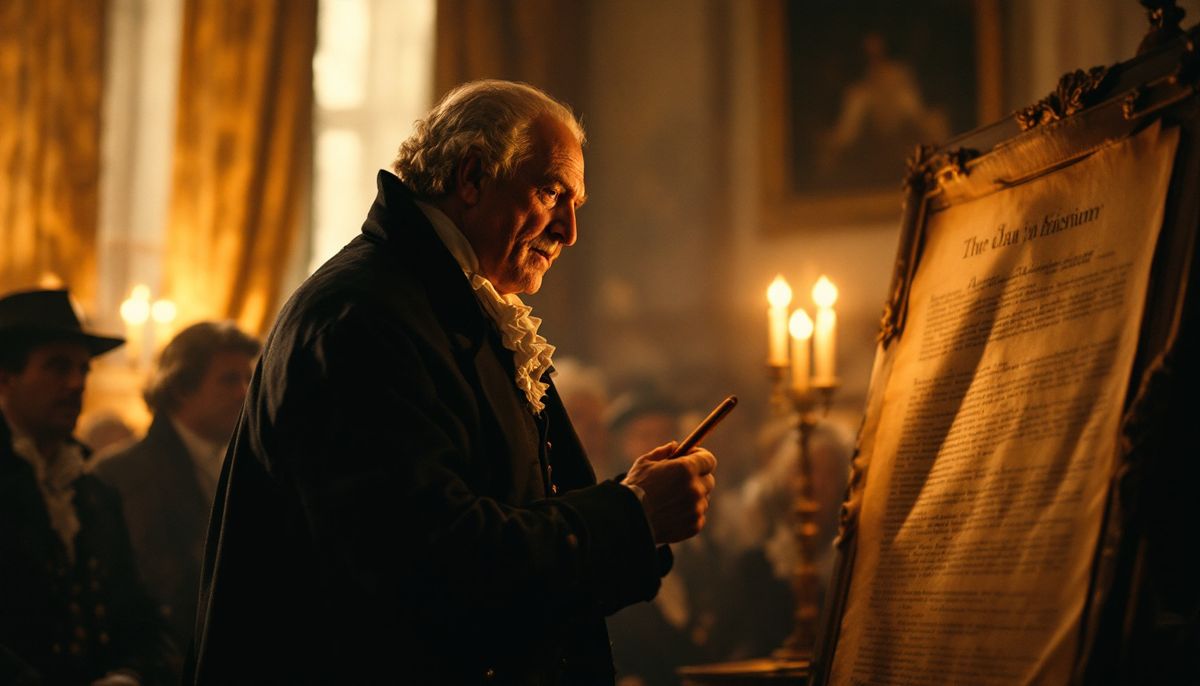
At noon on July 8, 1776 — exactly 250 years ago today — a crowd gathered in the yard behind the Pennsylvania State House in Philadelphia, summoned by the ringing of the bell in the steeple above. Four days earlier, the Continental Congress had adopted the Declaration of Independence, but almost nobody outside that room had actually heard it. The words that would define a nation were still just ink on paper. That was about to change.
The man chosen to read them was Colonel John Nixon, a Philadelphia merchant and militia officer who commanded the city guard and the defenses along the Delaware River. Standing before the crowd, Nixon delivered the first public reading of the Declaration of Independence — the first time ordinary Americans heard, out loud, that “these United Colonies are, and of Right ought to be Free and Independent States.” By design, the same words rang out that same day in Trenton, New Jersey, and Easton, Pennsylvania — a coordinated announcement to a brand-new country.
The crowd didn’t just listen politely. According to accounts of the day, they shouted “God bless the free states of North America!” three times over. The celebration rolled on for hours — church bells rang across the city, militia companies paraded on the commons, and that evening the crowd pulled down the King’s coat of arms and threw it on a bonfire. There was no going back now, and everyone standing in that yard knew it.
And the bell that called them there? It was the great bell of the State House — the one cast with the words “Proclaim LIBERTY throughout all the Land unto all the Inhabitants thereof.” In 1776 it was simply the civic bell that summoned Philadelphians to hear the news. But the moment it announced became so sacred to American memory that later generations gave the bell a new name: the Liberty Bell. Today it stands cracked and silent just steps from where Nixon read — a permanent witness to the day the American people first heard their own Declaration.
Also On This Day…
1777 — Vermont Writes Slavery Out of Its Constitution Exactly one year after Nixon’s reading, delegates from the scrappy, self-declared Republic of Vermont — which had broken away from New York and answered to no one — adopted a constitution of their own on July 8, 1777. Buried in its first article was something no government in North America had ever done: an outright ban on slavery. Vermont’s constitution declared that no person born free could be held in bondage, decades before most of the young nation would even debate the question. The little republic in the Green Mountains had taken the Declaration’s words about liberty and actually written them into law.
1889 — The Wall Street Journal Hits the Streets On July 8, 1889, three financial reporters — Charles Dow, Edward Jones, and Charles Bergstresser — published the very first issue of The Wall Street Journal from their offices near the New York Stock Exchange. It was four pages long and cost two cents. The founders’ bet was simple: honest, accurate financial news was worth paying for in an era when stock tips were routinely bought and sold. That two-cent paper grew into one of the most influential publications on Earth, and Dow’s market averages became the numbers the whole world checks every morning.
1889 — Seventy-Five Rounds in a Mississippi Field That very same day, in a field in Richburg, Mississippi, John L. Sullivan and Jake Kilrain squared off in the last bare-knuckle heavyweight championship fight in American history. Prizefighting was illegal, so thousands of fans arrived by secret trains to a location revealed only at the last minute. Under a brutal summer sun, the two men battered each other for 75 rounds — over two hours and sixteen minutes — before Kilrain’s corner finally threw in the sponge. Sullivan kept his crown, the gloves went on for good, and the age of bare-knuckle boxing ended in the Mississippi dirt.
1947 — “RAAF Captures Flying Saucer” Two weeks after a pilot over Washington State coined the term “flying saucer,” the Army itself lit the fuse. On July 8, 1947, the public information officer at Roswell Army Air Field in New Mexico issued a press release announcing that the military had recovered a “flying disc” from a ranch outside town. Newspapers flashed the story around the world before the Army reversed itself the very next day, insisting the debris was just a weather balloon. Decades later it emerged the wreckage came from a top-secret balloon program designed to detect Soviet nuclear tests — but by then, Roswell had already become the most famous UFO story ever told.
2011 — The Last Shuttle Leaves Earth On the morning of July 8, 2011, nearly a million people crowded the Florida coast to watch Space Shuttle Atlantis thunder off the pad at Kennedy Space Center. It was STS-135 — the 135th and final flight of the Space Shuttle program, closing a 30-year era that had carried the Hubble telescope to orbit and built the International Space Station piece by piece. As Atlantis climbed into the clouds, an entire generation of Americans who had grown up watching shuttles rise from that same stretch of beach said goodbye. When she landed 13 days later, the shuttle era was over — but American spaceflight was not.
From a colonel reading brand-new words to a Philadelphia crowd, to a tiny republic outlawing slavery a year later, to the last shuttle climbing away from the Florida coast — July 8th keeps circling back to the same American idea: say the bold thing out loud, then live up to it.
