
July 12th
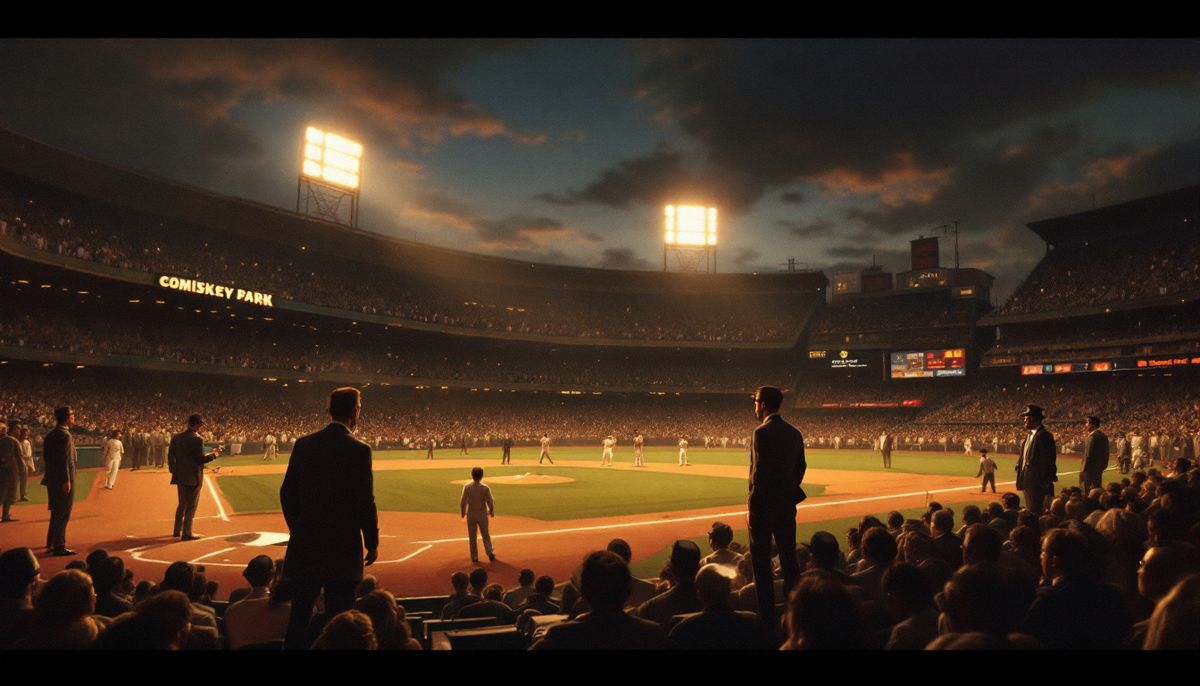
On the evening of July 12, 1979 — 47 years ago today — the Chicago White Sox thought they had a clever promotion on their hands. A local radio DJ named Steve Dahl had been waging a comic on-air war against disco music, and the team invited him to stage “Disco Demolition Night” between games of a doubleheader against the Detroit Tigers. The deal: bring a disco record to Comiskey Park, get in for 98 cents, and watch Dahl blow the whole crate of records sky-high on the field. The White Sox, who’d been drawing sparse crowds all season, figured they might sell a few extra tickets.
They had no idea what they’d unleashed. Nearly 48,000 people jammed the old ballpark — tens of thousands more than the team expected — while thousands more milled outside the gates. Fans who couldn’t fit their records into the collection crates started sailing them through the air like Frisbees during the first game. The smell of things other than hot dogs drifted through the stands. This was not a baseball crowd. This was a rock-and-roll army that happened to be standing in a baseball stadium.
Between games, Dahl — dressed in army fatigues and a helmet — rode onto the field, led the crowd in chants, and detonated the crate of disco records in center field. The explosion tore a hole in the outfield grass. And then the dam broke: thousands of fans poured out of the stands and onto the diamond. They lit bonfires, tore up the turf, stole the bases, and turned the outfield into a block party. Chicago police in riot helmets finally cleared the field, but the damage was done — literally. The umpires ruled the field unplayable, and the White Sox were forced to forfeit the second game to the Tigers, one of the rare forfeits in modern big-league history.
Dahl’s stunt became an instant legend — the night remembered ever after as “the day disco died.” Within a couple of years, disco had all but vanished from the American charts, and Disco Demolition Night stood as the moment the backlash went from radio gag to full-blown riot. Baseball learned a lesson too: never underestimate a promotion. The White Sox had spent the 1970s trying everything to fill seats — this was the one night they succeeded a little too well.
Also On This Day…
1804 — Alexander Hamilton Loses His Final Fight Yesterday we told you about the dawn duel at Weehawken — today is the day it ended. At around 2 o’clock in the afternoon on July 12, 1804, Alexander Hamilton died at a friend’s home in Greenwich Village, some thirty hours after Aaron Burr’s pistol ball tore through him on that New Jersey ledge. He spent his last day surrounded by his wife Eliza and their children as New York held its breath. The city gave him a funeral procession worthy of a head of state — and the sitting Vice President who shot him spent the rest of his life as the villain of the story.
1862 — Lincoln Creates the Medal of Honor In the middle of the Civil War’s darkest summer, President Abraham Lincoln signed a bill on July 12, 1862, creating the Army Medal of Honor — a decoration for soldiers who distinguished themselves “by their gallantry in action.” What began as a wartime measure became the highest military honor the United States can bestow. In the century and a half since, more than 3,500 Americans have received it — many of them posthumously — and to this day, tradition holds that even generals salute a Medal of Honor recipient, regardless of rank.
1962 — The Rolling Stones Take the Stage for the First Time On the night of July 12, 1962, a scruffy young band billed as “the Rollin’ Stones” played their first-ever gig at the Marquee Club in London. Mick Jagger and Keith Richards weren’t selling anything British that night — they were playing American music: Chicago blues and R&B learned note-by-note from imported records. They even took their name from a Muddy Waters song. Within two years, the band devoted to America’s homegrown sound would invade America itself — and they’re still touring more than six decades later.
1984 — Geraldine Ferraro Breaks the Ticket Barrier On July 12, 1984, Democratic presidential candidate Walter Mondale announced his running mate: Geraldine Ferraro, a three-term congresswoman from Queens, New York — the first woman ever nominated for vice president by a major American party. The daughter of an Italian immigrant, Ferraro had worked her way from public school teacher to prosecutor to Congress. The Mondale-Ferraro ticket went on to lose 49 states to Ronald Reagan that November, but the barrier she broke stayed broken — every glass-ceiling campaign since has walked through the door she opened.
From a founding father breathing his last in Greenwich Village, to Lincoln pinning courage onto a medal, to a mountain of disco records going up in flames on the South Side of Chicago — July 12th proves that in America, history gets made in drawing rooms, on battlefields, and yes, in center field.
