
July 4th
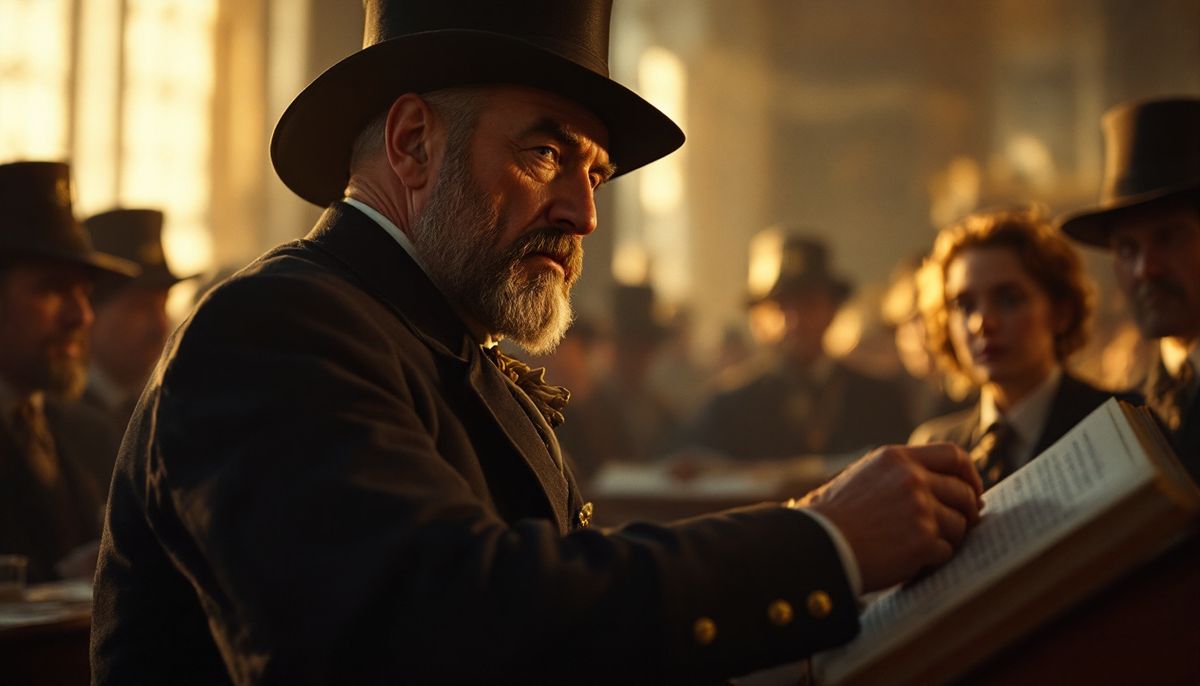
In the sweltering summer heat of Philadelphia, inside a redbrick building we now call Independence Hall, fifty-six men gathered to commit what the British Crown considered an act of treason. The date was July 4, 1776, and the Second Continental Congress was about to do something no English colony had ever dared: declare itself free.
The hard vote for independence had actually come two days earlier, on July 2nd. But it was on the 4th that Congress finished hammering out the words — the words that would echo for centuries. A red-haired, 33-year-old Virginian named Thomas Jefferson had labored over the draft through the muggy weeks of June, and now Congress spent the long afternoon of July 4th picking it apart, line by line, before finally adopting it. When the deed was done, the colonies had severed their bond with the most powerful empire on Earth.
The heart of the document was a single, world-shaking sentence: “We hold these truths to be self-evident, that all men are created equal.” It was a breathtaking claim in an age of kings and emperors — the radical notion that ordinary people, not crowns, held the right to govern themselves. Those words were aspirational then, and Americans have spent every generation since striving to live up to them.
The men who signed knew exactly what they were risking. If the Revolution failed, the Declaration was a confession, and the punishment for treason was the hangman’s noose. They pledged, in the document’s final line, “our Lives, our Fortunes, and our sacred Honor.” It was no idle phrase. Many of them would lose homes, wealth, and family to the war that followed.
The parchment wasn’t even printed until the next day, July 5th, and most delegates didn’t put their signatures on the famous engrossed copy until August. But July 4th is the date that stuck — the day Americans have celebrated, with fireworks and flags and small-town parades, as the very birthday of the nation.
Also On This Day…
1826 — Two Founding Fathers Die Within Hours of Each Other In one of the most astonishing coincidences in American history, both Thomas Jefferson and John Adams died on July 4, 1826 — exactly fifty years to the day after the Declaration of Independence was adopted. Jefferson, author of that very document, slipped away shortly after noon at his beloved Monticello in Virginia, aged 83. Hours later, in Quincy, Massachusetts, the 90-year-old Adams breathed his last. Unaware that his old friend and rival had already passed, Adams reportedly uttered as his final words, “Jefferson still lives.” The two men had been bitter political enemies for years before reconciling in old age through a remarkable correspondence — and they left this world together, on the nation’s golden anniversary.
1872 — A Future President Is Born on the Fourth On July 4, 1872, in the tiny hamlet of Plymouth Notch, Vermont, a baby boy named John Calvin Coolidge Jr. came into the world. He would grow up to become the 30th President of the United States — and to this day, he remains the only American president ever born on Independence Day. Known as “Silent Cal” for his famously sparing use of words, Coolidge presided over the roaring prosperity of the 1920s. There is a certain poetry in it: the most quietly patriotic of presidents, drawing his first breath on the very day the country celebrates its freedom.
1884 — France Hands America a Towering Gift On July 4, 1884, in a Paris workshop, the finished Statue of Liberty was formally presented to the United States ambassador as a symbol of friendship between two republics. Lady Liberty stood there in the foundry yard, more than 150 feet of hammered copper draped over an iron framework engineered with help from Gustave Eiffel himself. Soon after, she was carefully taken apart and packed into 214 wooden crates for the long voyage across the Atlantic to New York Harbor, where she would be reassembled and dedicated in 1886. For the millions of immigrants who would one day sail past her torch, she became the first glimpse of America — and the enduring face of the freedom declared on this very day in 1776.
From the bold signatures of fifty-six patriots, to the eerie passing of two founders on the nation’s fiftieth birthday, to a copper goddess of liberty crossing the sea — July 4th is woven through the American story like no other day. It is the day a nation was born, and the day, again and again, it has been reminded exactly what it stands for.
