
I drink coffee every single morning and I have somehow never wondered where it came from, what it actually is, or why anyone ever tried to ban it. Turns out the answers are stranger than the drink deserves. Here are five facts that completely changed how I look at the mug in my hand.
Did you know the world’s first webcam was created just to watch a coffee pot?
In 1991, computer scientists at Cambridge University had a very small, very relatable problem: the coffee pot was in one room, and their desks were not. Walking all the way over there to find an empty pot was, apparently, unbearable. So they pointed a camera at it and piped a live grainy image to every computer in the building so nobody would ever make a wasted trip again. In 1993 they connected that feed to the internet — and that coffee pot became the very first thing ever broadcast on a webcam to the entire world. The internet’s first live stream was a group of British scientists checking if the coffee was ready.
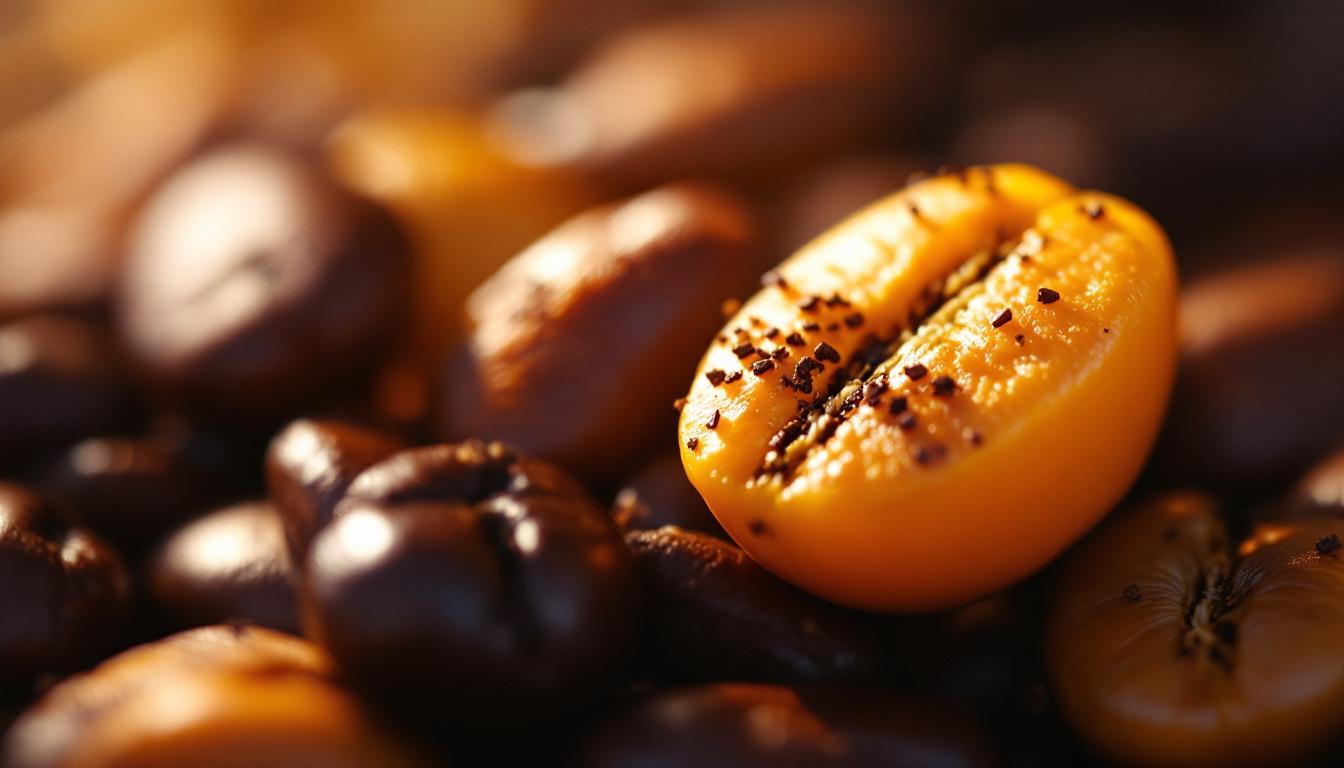
Did you know coffee isn’t a bean at all — it’s the seed of a fruit?
We’ve all been calling them “coffee beans” our whole lives, and we’ve all been wrong. Coffee grows on a shrub as a small bright-red fruit called a coffee cherry, and what we roast and grind is actually the two seeds tucked inside the center of that cherry. The fruit around them is sweet enough to eat, and some places now brew the dried skins into a tea. So your morning cup isn’t ground-up beans — it’s roasted fruit pits. I have been lied to by my own breakfast.
Did you know light roast coffee has MORE caffeine than dark roast?
This one feels backwards, because dark roast tastes so much bolder and stronger that your brain just assumes it’s packing more punch. But roasting is heat, and heat slowly burns off caffeine — so the longer and darker you roast a bean, the more caffeine it loses. Light roasts spend less time in the heat, so they hold on to more of it. That intense, smoky dark roast flavor is doing a fantastic job convincing you of something that isn’t true. The strong-tasting cup is the gentle one.
Did you know a Swedish king once tried to prove coffee was deadly — and lost badly?
King Gustav III of Sweden was convinced coffee was poison, so in the 1700s he reportedly designed a grim experiment. He took a pair of identical twins under death sentences, commuted them to life in prison, and ordered one to drink three pots of coffee a day and the other to drink tea — for the rest of their lives — while doctors monitored who dropped first. The plan backfired spectacularly. Both doctors died before either twin did, the king himself was assassinated in 1792 with the results still unknown, and by some accounts the coffee drinker outlived everyone, reaching his 80s in an era when the average lifespan was under 40.
Did you know decaf coffee still has caffeine in it?
If you order decaf assuming you’re getting zero caffeine, I have slightly awkward news. No decaffeination process on earth removes 100% of it — the industry standard only requires that about 97% be stripped out. That leaves a small but real amount, roughly 2 to 7 milligrams in a typical cup, still quietly in there. It’s a tiny fraction of a regular cup’s 95 or so milligrams, so it won’t keep you up. But “decaf” has never actually meant “no caf” — it just means “barely any.”
Send this to the coffee drinker in your life who orders a dark roast for the “extra kick” — break the news gently.
