
I’ll be honest, I’ve shaken salt onto my fries about ten thousand times without ever once thinking about where it came from or why it mattered. Then I went down a rabbit hole, and now I can’t stop. This humble little white crystal sitting on your kitchen table once bankrolled empires, paved highways, and was traded ounce-for-ounce against gold. So before you reach for the shaker tonight, here are five true things about salt that genuinely surprised me.
Did you know the word “salary” may come from salt, and Roman soldiers might’ve been paid in it?
Here’s where I have to put on my fact-checker hat, because this one is half legend. The English word “salary” comes from the Latin salarium, and everyone agrees salarium is built on sal, the Latin word for salt. That part is solid. The romantic version, that Roman soldiers got handed literal bags of salt as wages, is where historians start clearing their throats. There’s no surviving ancient source spelling out the connection, so most scholars now treat “paid in salt” as a tidy story rather than proven fact. What’s likely true is that salarium started as an allowance tied to salt and eventually just meant “pay.” So yes, your paycheck is etymologically salty. Just don’t bet the farm on the bag-of-salt version.
Did you know salt was once traded ounce-for-ounce against gold?
This sounds like an exaggeration until you remember nobody had refrigerators. Before modern preservation, salt was the only thing standing between you and a winter of rotted, inedible food, which made it worth almost any price. In parts of sub-Saharan Africa going back centuries, merchants traded an ounce of gold for an ounce of salt, straight across. The logic was brutally simple: gold was pretty but useless for survival, while salt kept you alive and your food edible. Caravans hauled it across some of the harshest desert on Earth, which only drove the price higher. Suddenly “worth its weight in gold” stops sounding like a figure of speech.
Did you know Rome literally built a highway just to move salt?
The Romans didn’t mess around when it came to logistics, and salt got its own road. The Via Salaria, which translates directly to “Salt Road,” ran from Rome northeast all the way to the Adriatic coast. Its origins actually predate the Roman Empire itself, going back to the Sabine people who used the path to reach the salt marshes at the mouth of the Tiber River. Over centuries that humble trail grew into a major thoroughfare cutting across the Apennine Mountains. That’s the ancient equivalent of building an interstate highway for one product. And the phrase “worth his salt,” meaning someone who earns their keep? It traces right back to this same salt-as-wages world.
Did you know salt has more than 14,000 different uses?
When I read this number I assumed it was marketing fluff, but it holds up. We tend to think of salt as a food thing, seasoning and preserving, and that’s maybe a tiny fraction of the story. The single biggest use of salt isn’t even on your dinner table, it’s industrial: salt is the raw feedstock for producing chlorine and caustic soda, which in turn make plastics, PVC pipe, and paper. It de-ices winter roads, softens water, tans leather, and shows up in glass, soap, and dyes. Tally up every application across food, industry, and chemistry and you sail past 14,000. Not bad for something that costs pennies a box.
Did you know salt is the only rock that humans eat?
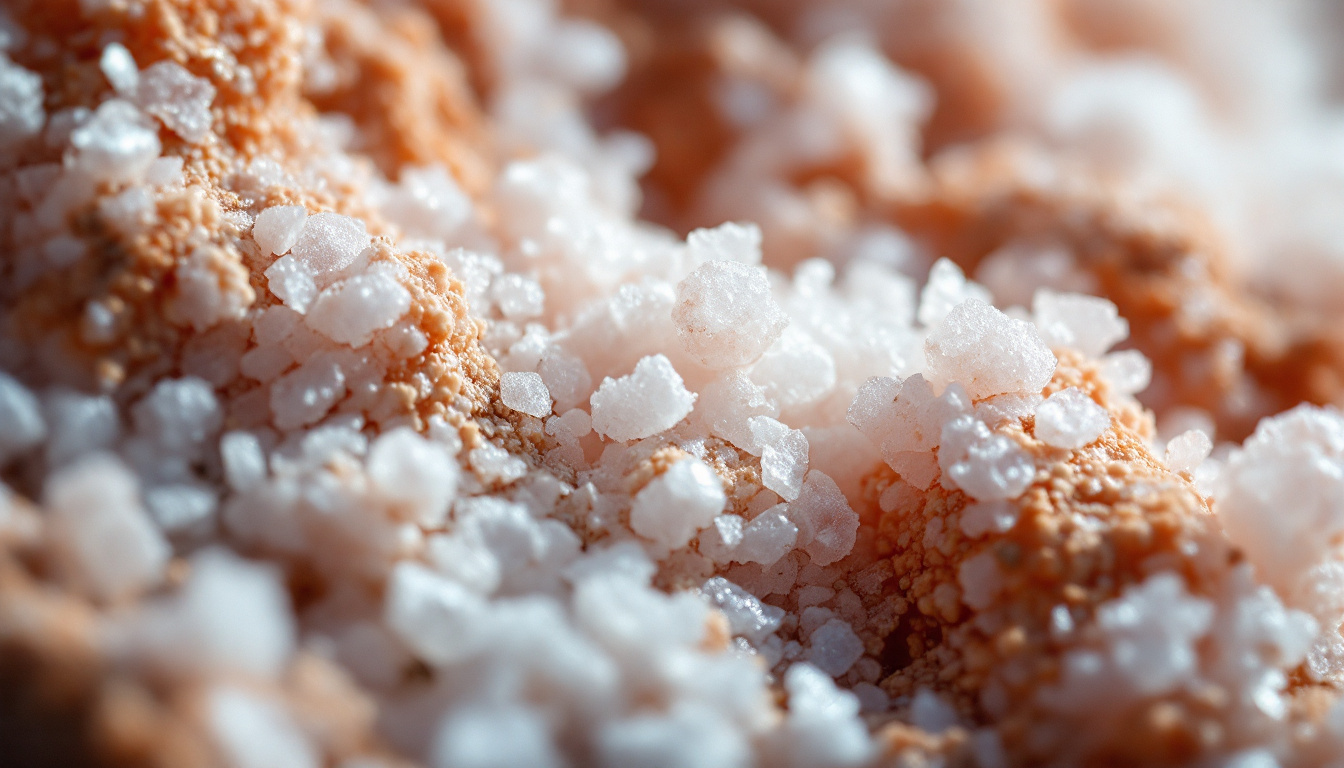
Of all the rocks on planet Earth, this is the one and only one we put directly in our mouths on purpose. In its natural mineral form, salt is called halite, a crystalline version of sodium chloride that occurs in massive underground beds known as rock salt. So when you season your steak, you are quite literally eating a ground-up rock, and you’d die without it. Sodium is an essential electrolyte your body cannot live without, which is exactly why we crave it. Every other rock gets crushed for roads or buildings. This one gets crushed for dinner.
Send this to the friend who salts their food before they’ve even tasted it… they’ll never look at that shaker the same way again.
