
July 19th
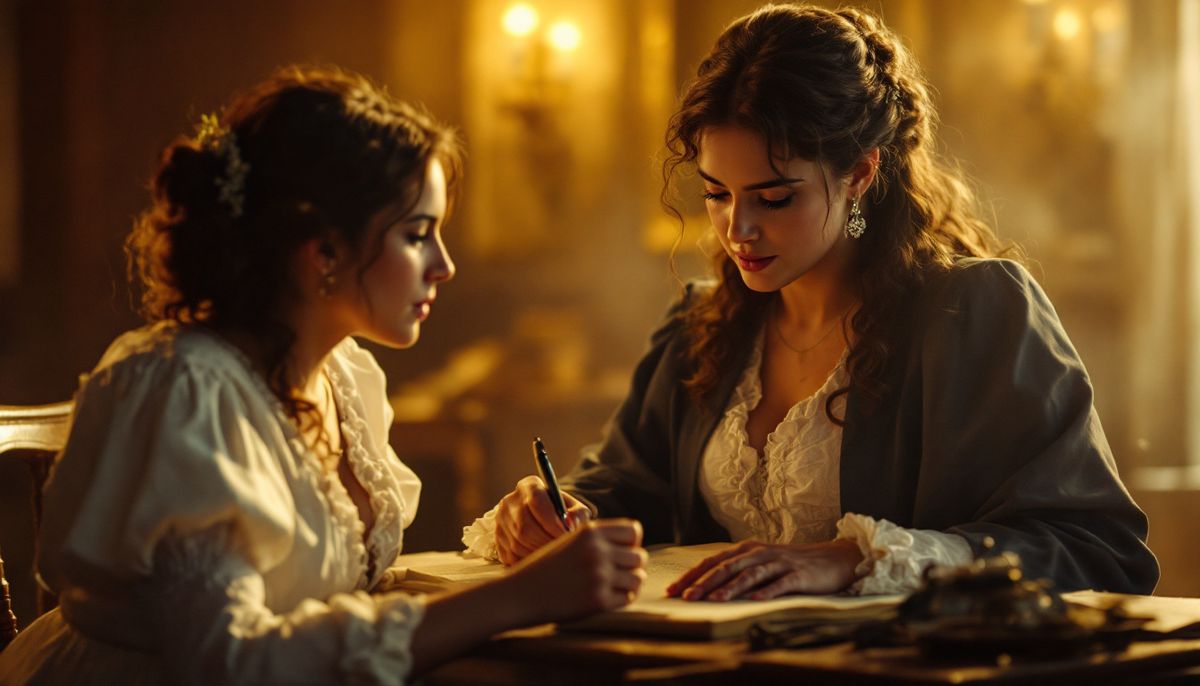
On the morning of July 19, 1848, some 300 people converged on the Wesleyan Chapel in the little canal town of Seneca Falls, New York — and found the door locked. Nobody had a key. So Elizabeth Cady Stanton’s young nephew was hoisted through an open window to unbar the door from the inside, and the crowd filed in to begin something no one in America had ever attempted: a convention to discuss the rights of women.
The whole thing had been planned barely a week earlier, over tea. Stanton, sitting with Lucretia Mott and three other Quaker women at a friend’s house in nearby Waterloo, poured out years of frustration — and instead of just nodding along, the women placed a notice in the Seneca County Courier announcing a “Woman’s Rights Convention” to be held days later. They half expected an empty room. Instead, farm wagons and carriages lined the roads into town.
At the heart of the two-day meeting was a document Stanton had drafted called the Declaration of Sentiments — and its genius was in whose words it borrowed. It followed the Declaration of Independence almost line for line, with one edit that landed like a thunderclap: “We hold these truths to be self-evident: that all men and women are created equal.” Where Jefferson indicted King George, Stanton listed the grievances of American women — no vote, no property rights in marriage, no place in the professions, no voice in the laws they lived under.
Every resolution passed easily except one: the demand that women be given the vote. Even many in the room thought it went too far, and it might have died on the floor if a former slave hadn’t stood up to defend it. Frederick Douglass, publisher of the North Star newspaper in nearby Rochester, argued that he could not claim the vote for himself and deny it to women. The resolution passed, and 100 attendees — 68 women and 32 men — signed the Declaration. Newspapers across the country mocked the whole affair, but the signers had the last word. Seventy-two years later, the 19th Amendment wrote their most ridiculed demand into the Constitution.
Also On This Day…
1545 — Henry VIII Watches His Favorite Warship Go Down On July 19, 1545, a French invasion fleet clashed with the English navy in the Solent, the strait off Portsmouth — and King Henry VIII himself stood watching from the shore as his beloved warship Mary Rose heeled over, flooded through her open gun ports, and sank in minutes. Of the roughly 500 men aboard, only about 35 escaped; the king could reportedly hear the cries of drowning sailors from land. The Mary Rose lay in the seabed mud for 437 years, until 1982, when she was raised in front of a live worldwide television audience — a Tudor time capsule that had preserved everything from longbows to the ship surgeon’s tools.
1941 — Churchill Turns Two Fingers Into a Weapon On July 19, 1941, with Nazi Germany master of the European continent, the BBC and Winston Churchill launched the “V for Victory” campaign, urging the occupied peoples of Europe to scrawl the letter V anywhere the Germans would see it. The letter had a sound, too: dot-dot-dot-dash, V in Morse code — which happens to match the opening notes of Beethoven’s Fifth Symphony, and the BBC hammered those four notes into occupied Europe as its call sign. Within weeks, chalked V’s were appearing on walls from Paris to Prague, and Churchill’s two-finger V salute became the most famous hand gesture of the war. The occupiers could jam radios and post sentries, but they couldn’t arrest a letter of the alphabet.
1969 — Apollo 11 Slips Into Lunar Orbit Three days after the launch a million Americans watched from the Florida beaches, Apollo 11 reached the Moon. On July 19, 1969, the spacecraft swung behind the far side — out of all radio contact with Earth — and fired its engine to drop into lunar orbit. Armstrong, Aldrin, and Collins spent the day photographing the Sea of Tranquility, studying the plain where, the very next afternoon, two of them would try to land.
1980 — The Olympics Open With Half the World Missing On July 19, 1980, the Summer Olympics opened in Moscow — the first Games ever held in a communist country — and the United States wasn’t there. President Jimmy Carter had ordered a boycott over the Soviet invasion of Afghanistan, and some 60 other nations joined in, from West Germany to Japan to China. Leonid Brezhnev opened the ceremonies in a half-hollow Lenin Stadium while hundreds of American athletes, many of whom had trained their whole lives for that summer, watched from home. Four years later the Soviets returned the favor and boycotted Los Angeles.
1989 — The Crash Landing That Became a Miracle in an Iowa Cornfield On July 19, 1989, the tail engine of United Airlines Flight 232 blew apart at 37,000 feet over Iowa, and the shrapnel severed all three of the DC-10’s hydraulic systems — leaving the pilots with no working flight controls at all. By every engineering assumption, the plane was unflyable. But Captain Al Haynes and an off-duty training pilot named Dennis Fitch, who knelt in the cockpit working the throttles by hand, steered the crippled jet for 44 minutes by varying engine power alone and brought it down at Sioux City. The plane cartwheeled and burned on the runway — yet of the 296 people aboard, 185 survived. Pilots later tried to replicate the feat in simulators and almost none could. Haynes always deflected the praise with one word: luck. The investigators had a different word: airmanship.
From a locked chapel door in Seneca Falls, to four defiant notes of Beethoven ringing across occupied Europe, to two pilots flying an unflyable jet into an Iowa cornfield — July 19th belongs to the people who were told it couldn’t be done and did it anyway.
